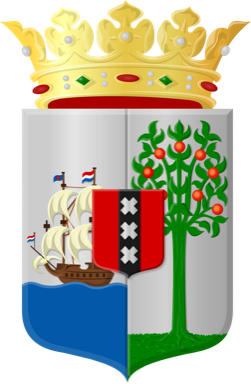
Curaçao Territory
Curaçao is an island in the southern Caribbean and, since 10 October 2010, one of the four countries of the Kingdom of the Netherlands. Its capital, Willemstad, grew up around a natural harbour that the Dutch West India Company took from Spain in 1634, and its historic centre has been on the UNESCO World Heritage List since 1997. Most islanders speak Papiamentu at home, and the island’s food, music and festivals draw on African, European and Latin American roots.
Top local food in Curaçao
Keshi yena • stobá • seafood
Top local drinks in Curaçao
Top local desserts in Curaçao
More Pavilions
Corsica • Costa Rica • Croatia • Cuba • Cyprus • Czech Republic • Czechoslovakia • Dagestan
Key facts
- Status
- Country within the Kingdom of the Netherlands since 10 October 2010
- Capital
- Willemstad
- Population
- 155,826 (2023 census)
- Official languages
- Dutch, Papiamentu, English
- Currency
- Caribbean guilder (since 2025)
- World Heritage
- Historic centre of Willemstad, inscribed in 1997
A country within the Kingdom
With Aruba and Bonaire, Curaçao makes up the ABC islands of the southern Caribbean. It was part of the Netherlands Antilles until that country was dissolved on 10 October 2010, when Curaçao and Sint Maarten became autonomous countries within the Kingdom of the Netherlands.
According to the Dutch government, Curaçao runs matters such as education, healthcare, tourism and employment, while foreign relations, defence and Dutch nationality law are handled for the Kingdom as a whole. The King is represented on the island by a governor, while day-to-day government is in the hands of Curaçao’s own prime minister and ministers. The 2023 census counted 155,826 inhabitants, and in November 2025 Curaçao became, according to Guinness World Records, the smallest country by population ever to qualify for the football World Cup.
From the Caquetío to Tula
Indigenous Caquetío people were living on Curaçao when a Spanish expedition led by Alonso de Ojeda arrived in 1499. In 1634 the Dutch West India Company took the island from Spain, and from the 1660s it made Curaçao a centre of the transatlantic slave trade; most of the enslaved Africans brought there were sold on to other colonies.
On 17 August 1795 Tula, an enslaved man on the Knip, or Kenepa, plantation in the west of the island, led a revolt that lasted more than a month before it was put down; he was executed on 3 October that year. Curaçao marks 17 August as Dia di Lucha pa Libertat, the day of the fight for freedom; DutchNews reports that the island has also recognised Tula as a national hero since 2010, and in October 2023 the Dutch state formally rehabilitated him. Slavery on the island was abolished in 1863.
Willemstad and Papiamentu
Willemstad grew on both sides of the Sint Anna Bay, the entrance to the natural harbour of the Schottegat. The Dutch World Heritage foundation notes the town’s colourful mix of building styles, with Spanish and Portuguese influences alongside the Dutch. The tourist board describes its Mikvé Israel-Emanuel synagogue, consecrated in 1732, as the oldest synagogue in continuous use in the Americas.
The official languages are Dutch, Papiamentu and English. Papiamentu is a Portuguese-based creole with strong Spanish and Dutch influences and elements of African languages. At the 2023 census it was the language most residents spoke at home, ahead of Spanish and Dutch, and the tourist board notes that it is the language used most on local television, in parliament and on the street.
Keshi yena, stobá and laraha
Popular dishes include stobá, a stew made with goat, beef or even papaya; soups of okra or cactus; and pastechi, filled pastries eaten above all at breakfast. Keshi yena, “stuffed cheese”, which the tourist board calls the island’s signature dish, is a round of Edam or Gouda filled with spiced chicken or meat, often with olives and raisins, then baked or steamed. The dish is believed to go back to enslaved people, who are said to have filled the discarded rinds of their owners’ cheeses with table scraps.
The island also gave its name to Curaçao liqueur, flavoured with the dried peel of the laraha, a bitter orange descended from citrus the Spanish planted there; the fruit is barely edible, but its peel is fragrant. Senior & Co distils the liqueur, the blue version among them, at Landhuis Chobolobo in Willemstad.
Tambú, tumba and seú
Tambú is at once a drum, a music and a dance. It began among the enslaved and is played on the drum with a piece of iron or a hoe and handclaps, and the colonial government and the Catholic Church long tried to suppress it. Tumba, a rhythm of African origin, has become the music of the Carnival road march, and each year singers compete at the Tumba Festival to supply it, according to the tourist board.
Seú is the music of the old harvest festival, when workers carried the crops in from the fields. Its dance, the wapa, mimics planting and harvesting, and it lives on in a folklore parade on Easter Monday in which thousands of people take part.
In Emblem World, Curaçao has its own territory pavilion within the Netherlands, where people discover and rate local food, drinks, desserts and music.
Sources
- Government of the Netherlands: Caribbean parts of the Kingdom
- Government of the Netherlands: Responsibilities of the Netherlands, Aruba, Curaçao and St Maarten
- Government of the Netherlands: Governance of Aruba, Curaçao and St Maarten
- Central Bureau of Statistics Curaçao: CBS presents the first results of the 2023 Census
- Curaçao Chronicle: Migrants now make up a quarter of Curaçao’s population, CBS reports
- Guinness World Records: Smallest country (by population) to qualify for the FIFA World Cup
- Curaçao Chronicle: Curaçao recognized by Guinness as smallest nation ever to qualify for the World Cup
- Research Station Carmabi: Archeology (Claudia Kraan, NAAM)
- Curaçao Chronicle: Curaçao honors first inhabitants in powerful Caquetío remembrance ceremony
- Stichting Werelderfgoed Nederland: Willemstad, Curaçao
- DutchNews.nl: Dutch state rehabilitates leader of 1795 revolt against slavery (3 October 2023)
- NTR Caribisch Netwerk: ‘Rehabilitation for Tula is just the beginning’ (3 October 2023)
- The Daily Herald: Curaçao slave revolt hero Tula honoured
- Biblioteka Nashonal Kòrsou: Tambú music, a survival story
- The World (PRX): Here’s a look at KiT, an energetic band from Curaçao (Alex Gallafent, 30 July 2014)
- Curaçao Tourist Board: Culture
- Curaçao Tourist Board: Where is Curaçao?
- Curaçao Tourist Board: What is the native language spoken in Curaçao?
- Curaçao Tourist Board: What is the currency used in Curaçao?
- Curaçao Tourist Board: Museo Tula
- Curaçao Tourist Board: Mikvé Israel-Emanuel Synagogue and Jewish Museum
- Curaçao Tourist Board: Caribbean food, top 10 dishes you need to try in Curaçao (9 August 2023)
- Curaçao Tourist Board: What are some signature dishes I should try?
- Curaçao Tourist Board (reprinted from Chowhound, Kelly Magyarics): Keshi yená is your new favorite way to eat cheese for dinner (12 November 2020)
- Curaçao Tourist Board: Landhuis Chobolobo
- Curaçao Tourist Board: Musical heritage
- Curaçao Tourist Board: Curaçao Carnival, the Caribbean spectacle (16 January 2026)
- Curaçao Tourist Board: Harvest Festival Parade, Seú 2026
- Wikipedia: Curaçao
- Wikipedia: Willemstad
- Wikipedia: Papiamento
- Wikipedia: Curaçao Slave Revolt of 1795
- Wikipedia: Tula (Curaçao)
- Wikipedia: Keshi yena
- Wikipedia: Curaçao (liqueur)
- Wikipedia: Music of Curaçao
- Wikipedia: Tambu (music)
Checked by Emblem editorial on 9 October 2026.